

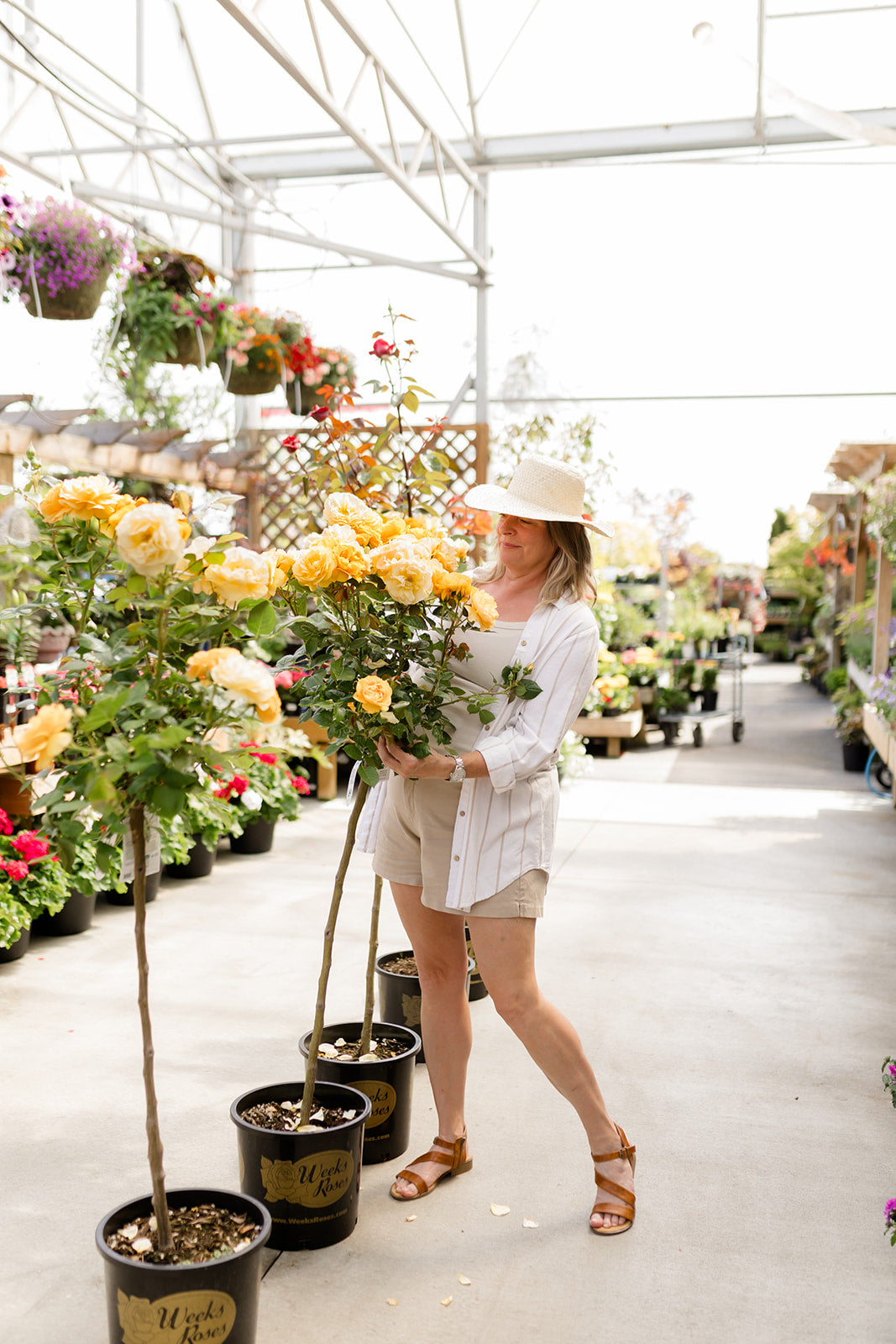
Caring for Roses: Your Easy Guide to Growing Gorgeous Blooms
Roses! They’re the timeless, elegant stars of the garden. Whether you’re a seasoned gardener or just starting out, growing roses can be incredibly rewarding. Their lovely blooms brighten up any space, and the sweet fragrance? Simply irresistible! But if you’re wondering how to keep your roses happy and thriving, you’ve come to the right place.
Let’s dive into some straightforward tips on planting and caring for these beauties, whether in containers or right in your garden soil.

Planting Roses in Containers
Not everyone has a sprawling backyard to plant roses in the ground—and that’s totally fine! Roses can flourish in containers too, making them perfect for patios, balconies, or anywhere you want a pop of colour.
Choosing the Right Container
First, pick a pot that’s at least 12 inches deep and wide, with drainage holes to prevent soggy roots. Good drainage is crucial for roses; they don't like wet feet. Clay pots look pretty and breathe well, but plastic ones retain moisture longer, so pick what's best for your climate.
Selecting the Soil
Roses love nutrient-rich, well-draining soil. Use a quality potting mix—avoid garden soil because it might compact too much in containers, preventing proper drainage. Pre-mixed soils with perlite are often good choices. Roses prefer slightly acidic conditions, something to keep in mind.
Planting Your Rose
When planting, make a hole big enough to spread out the roots comfortably without crowding. Place the plant so the graft union (that bumpy knobby bit near the base) is about an inch below the soil surface. Fill in around the roots gently and water well to settle the soil. Roses benefit from a little bit of bone meal at planting, too.
Location, Location, Location
Place your container where your rose will get at least 6 hours of sunlight daily. Roses are sun lovers! They thrive in direct afternoon sun. Make sure it’s an area that isn’t blasted by constant wind, as this can dry out the plant.


Planting Roses in the Ground
If you do have garden space, planting roses directly in the soil gives them room to really stretch their roots and flourish. Although roses can certainly grow in containers, they would much rather be planted in-ground.
Picking the Perfect Spot
Choose a spot with good air circulation (to help prevent diseases) and plenty of sun. Again, roses adore at least 6 hours of sunlight. Avoid low spots where water can pool after rain. Routinely remove any detritus from the base of the plants to mitigate fungal diseases, such as black spot (Diplocarpon rosae) and rust fungus (Phragmidium sp.)
Preparing the Bed
Loosen the soil to about 12-18 inches deep. Mix in plenty of organic matter like compost or aged manure. This boosts nutrients and helps with drainage.
Planting Steps
Dig a hole wide and deep enough to comfortably fit the roots without bending them. Place the rose so the graft union sits just at soil level (or about 1 inch above in very cold climates to prevent frost damage). Fill back in and water deeply.
Spacing
Give your roses breathing room! Space bushes about 2 to 3 feet apart, depending on the variety. Crowding can cause fungal issues, especially in temperate climates.
Tips: Watering, Fertilizing & Pruning
Gardening isn’t just planting and walking away. Roses need a little TLC to reward you with those jaw-dropping blooms.
Watering
Roses like consistent moisture but hate soggy feet. A good rule of thumb is:
- Water deeply once or twice a week (more often in hot, dry weather).
- Focus on the base of the plant, not the leaves, to prevent diseases like black spot.
- If you have container roses, check soil moisture daily — pots dry out faster!
Fertilizing
Think of fertilizer as rose food that keeps them growing strong and blooming beautifully.
- Start fertilizing about a month after planting.
- Use a balanced rose fertilizer or a slow-release formula, such as GardenPro's 8-14-12, as roses require potassium to have the most vibrant flower colours.
- Feed every 4-6 weeks during the growing season.
- Stop fertilizing about 6 weeks before the first expected frost to help the rose prepare for dormancy.
Pro Tip: Organic options like compost tea or fish emulsion are gentle and great for your soil ecosystem!
Pruning
Pruning is a little like giving your rose a haircut — it keeps things neat and encourages more flowers.
- When to prune? Early spring is prime time, as buds start to swell but before leaves open.
- How to prune? Remove dead, damaged, or crossing branches. Cut back about 1/4 inch above an outward-facing bud at a 45-degree angle. This encourages outward growth and good airflow.
- For shrub roses, you might shorten the bush by about one-third. For climbers, trim lightly to remove old wood after flowering. If there is visible rust in the stems, you may cut the bushes down up to halfway.
And don’t forget—a clean, sharp pair of pruning shears will make this task easier and healthier for your plants.
 Roses can be a bit diva-ish, but with a little love and attention, whether in a container or rooted in your garden, they’ll reward you with vibrant blooms and delightful scents season after season.
Remember: Sunlight, good soil, regular watering, feeding, and timely pruning are your rose-growing essentials. And don’t stress if you make mistakes—they’re tough, resilient plants that can bounce back.
Grab a cup of tea, enjoy the process, and watch those rosebuds bloom into garden magic! 🌹🌞🌿

Leave a comment
This site is protected by hCaptcha and the hCaptcha Privacy Policy and Terms of Service apply.